+86-15916242887 


When you’re on the hunt for the right provider, choosing the right RF Transformer factory is super important. Honestly, there are tons of options out there, each with its own pros and cons. Figuring out what you really need can make all the difference in picking the best one for your project.
In this article, I’ll walk you through the top 10 OEM and ODM factories that specialize in Rf Transformers. We’ll cover the basics—like what they’re good at, their manufacturing skills, and the tech they use. But here’s where it gets tricky: comparing them isn’t always straightforward. Some companies shine in quality, while others are all about keeping costs low.
Plus, not every factory is a perfect match for every project. Things like how fast they can produce, custom options, and flexibility can really vary from one place to another. So, a factory that’s great for one job might not fit another at all. Taking a closer look at these Rf Transformer factories can actually give you some useful insights. It’s also a good idea to ask yourself some tough questions and really think about what’s most important for your specific project.
In the world of Rf Transformer manufacturing, understanding the differences between original equipment manufacturing (OEM) and original design manufacturing (ODM) is key. OEM refers to companies that produce products based on designs provided by another firm. In contrast, ODM companies develop their own products which they can sell under another brand’s name. This distinction is crucial for businesses seeking to collaborate in the RF sector.
According to a recent market analysis, the Rf Transformer market is projected to reach a value of $1.5 billion by 2025. This growth emphasizes the importance of choosing the right manufacturing partner. OEMs often provide a cost-effective solution for firms seeking to outsource production. However, they may not offer the same level of customization found with ODM partners. Customization plays a significant role in industries like telecommunications, where unique specifications are often mandated.
Choosing an OEM might seem easier due to the established processes. Still, potential drawbacks exist. If a business relies solely on OEMs, they risk losing product innovation. On the other hand, ODMs might demand higher upfront investments. The decision depends on a firm's specific needs. Balancing cost-effectiveness with innovation is a consideration that warrants thoughtful evaluation.
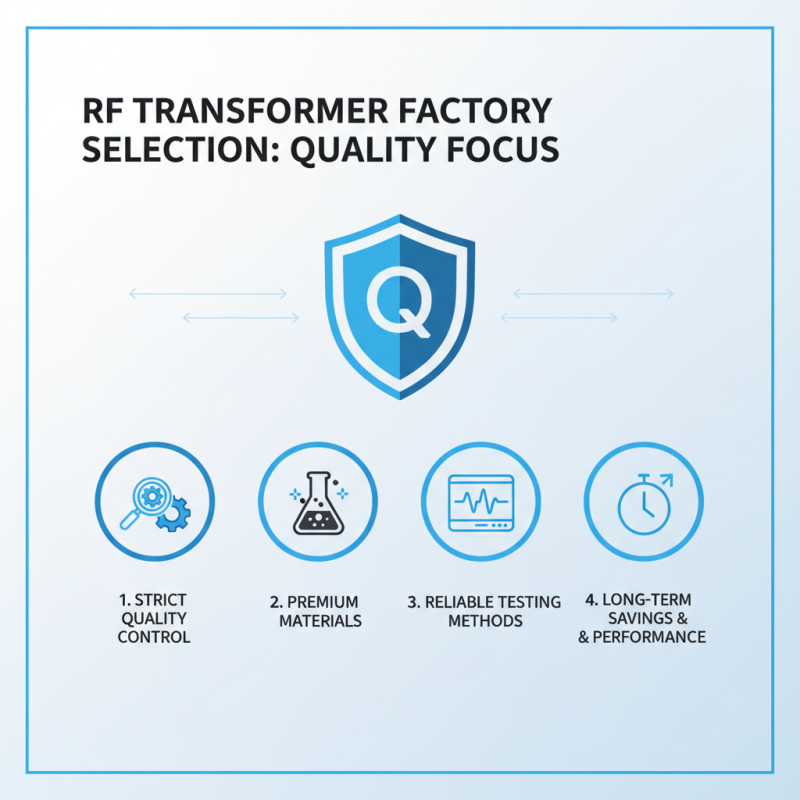
When selecting an Rf Transformer factory, several factors should be considered. Quality is paramount. Look for manufacturers who have strict quality control processes. High-quality materials lead to better performance. It is crucial to ensure that the factory uses reliable testing methods to validate their products. Researching these aspects can save time and costs in the long run.
Another key factor is production capacity. Some factories specialize in small batches, while others handle large-scale orders. If your needs vary, find a flexible partner. It’s also worth considering the factory’s experience with Lan Transformer production. Established factories often have the know-how to tackle unique challenges.
Communication is also essential. A factory that responds promptly can make collaboration much smoother. Delays in communication can lead to issues and frustration. Consider how they handle inquiries and support during the design process. Making the right choice now can prevent future headaches. Reflect on your specific needs and what matters most.
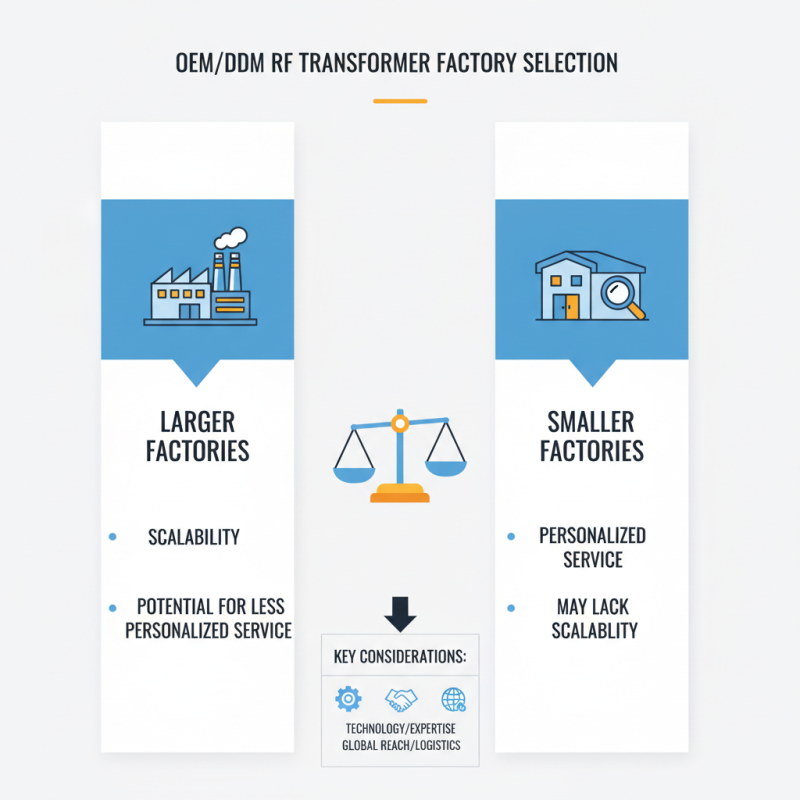
When choosing an OEM ODM Rf Transformer factory, several factors come into play. The landscape is vast, with numerous options available. Each factory has its unique strengths and weaknesses. Consider the size of the factory. Larger factories may offer scalability but could lack the personalized service smaller ones provide.
Quality control is another critical aspect. Not all factories maintain the same standards. Some may struggle with consistency, affecting your product's performance. It’s essential to research their processes and past work. Inquire about their testing procedures. A factory that prioritizes quality will likely deliver better results.
Lastly, take a closer look at communication and support. Some factories excel in prompt responses, while others may leave you waiting. Good communication fosters a smoother partnership. Reflect on your needs and the factory’s capabilities. Match your requirements with their offerings to find the right fit.
When selecting an OEM ODM Rf Transformer factory, understanding product offerings is crucial. Many factories provide variousPcb Transformer models. Each model serves different purposes suited for specific applications. This diversity often makes choosing the right factory a challenge.
Some factories focus on high-frequency applications while others excel in low-frequency solutions. Product specifications can vary widely. It’s essential to consider factors such as efficiency, size, and thermal management. Many offerings are customizable, but not all factories are equally flexible. A factory's experience with Pcb Transformers may significantly impact product reliability.
While some manufacturers showcase impressive technical data, the real-world performance sometimes falls short. Transparency in product testing and performance reviews is often lacking. Potential buyers should seek additional references or feedback to validate claims. Making an informed choice requires more than just examining the catalog. It demands a deeper introspection into what each provider truly excels at in terms of Pcb Transformers.
When evaluating Rf Transformers, quality standards and certifications play a critical role. Factors like performance reliability are essential. But how do you measure these aspects? Look for certifications such as ISO or IPC compliance. They indicate a commitment to excellence. Frequent audits are also beneficial. They ensure factories maintain high-quality production processes.
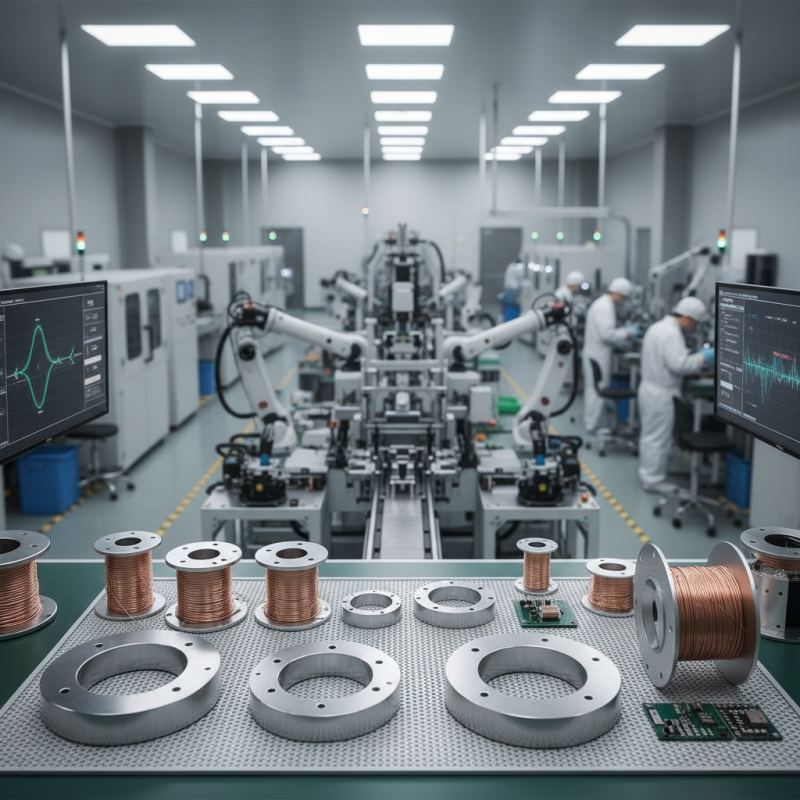
Another critical consideration is the manufacturing process. Smd Transformers require precise engineering. The choice of materials impacts durability and performance. Factories that use advanced testing equipment tend to produce better products. Don't overlook the importance of in-house testing. It can reveal critical deficiencies before products reach the market. Adapting to evolving standards may be difficult. Factories must balance adaptation with maintaining established quality.
When considering OEM ODM RF transformer solutions, cost is a significant factor. Different manufacturers have varying price points. Understanding your budget will help narrow your options. High-quality components can be expensive, but they may save you money in the long run. Cheaper options might compromise on quality, leading to potential failures.
Additionally, analyze all potential costs. Look beyond the initial purchase price. There are expenses related to shipping, customs, and possible tariffs. Aim for a comprehensive budget. Factor in future maintenance and replacement costs. These aspects can affect your overall investment.
Finding the right factory involves careful assessment and research. Each factory has its strengths and weaknesses. Some may offer innovative designs while others focus on reliability. Engage with manufacturing partners and ask questions. Don't rush the decision-making process. Allocate time for thorough evaluations to ensure a good match for your needs.
| Factory Location | Production Capacity (Units/Month) | Average Cost per Unit ($) | Lead Time (Weeks) | Quality Rating (1-10) |
|---|---|---|---|---|
| China | 100,000 | 0.50 | 4 | 8 |
| Taiwan | 50,000 | 0.75 | 3 | 9 |
| USA | 30,000 | 1.20 | 6 | 7 |
| Germany | 20,000 | 1.50 | 5 | 8 |
| South Korea | 40,000 | 0.90 | 3 | 8 |
| Japan | 25,000 | 1.10 | 4 | 9 |
| India | 35,000 | 0.65 | 5 | 7 |
| Mexico | 15,000 | 1.00 | 7 | 6 |
| Italy | 10,000 | 1.30 | 6 | 7 |
| Sweden | 5,000 | 1.80 | 8 | 9 |
When choosing an OEM ODM factory for RF transformers, customer support is crucial. Quality products are essential, but what happens after the sale matters too. Support can determine your experience. Do they offer training or troubleshooting help? Are they responsive?
Tips: Check for dedicated support teams. A quick response can ease frustration. Ensure they provide documentation and guides. This can save you time and effort in understanding your Poe Transformer.
After-sales service is not always prioritized by factories. Many overlook this. If problems arise, will you feel abandoned? A partner should be reliable. Seek out those who prioritize customer satisfaction.
Tips: Look for reviews and testimonials. They offer insights into others' experiences. A factory with a strong service reputation is often a wise choice, especially for something as critical as RF transformers.
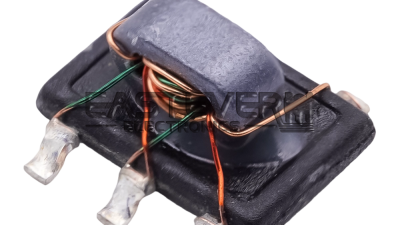
The high-frequency 75Ω RF transformer model EBA1.33-1-H010321 is designed to operate efficiently across a wide frequency range of 1-400MHz, making it particularly suitable for various applications within the field of wireless communications. Its performance metrics are optimized for input power handling, with a maximum capability of 750mW, and it can accommodate a DC current of up to 300mA. This versatility ensures reliable operation in demanding environments, further supported by its operating temperature range of -40°C to +85°C and storage temperature range from -55°C to +100°C.
Ideal for use in devices such as walkie-talkies, car streaming media rearview mirrors, and broadband communications systems, this RF transformer excels in facilitating seamless data transmission. The compact design and advanced manufacturing processes also ensure compatibility with 260°C reflow soldering, enhancing the ease of integration into diverse electronic systems. With applications extending to differential modulators and active mixers, this transformer is well-suited for current technologies including LTE, cellular, UMTS, WiFi, and WiMAX, making it a valuable component in modern communication devices. The product's RoHS compliance and lead-free composition further emphasize its adaptability to contemporary manufacturing standards and environmental considerations.
: Look for experience and reviews. Check their reputation online.
Ask for samples of previous work. Interview the service provider.
Always request a detailed quote. Read the fine print carefully.
Communicate your concerns directly. Discuss possible solutions with them.
It varies by service type. Confirm timelines before starting the work.
Effective communication builds trust. Ensure you can reach them easily.
Most services allow adjustments. However, confirm any potential fees.
Yes, delays can happen. Be prepared for unexpected changes.
Yes, written agreements protect both parties. It’s a smart practice.
Reflect on your expectations. Consider discussing them with the provider.
When selecting an OEM or ODM factory for RF transformer manufacturing, it is essential to understand the specific distinctions between these manufacturing models. OEM (Original Equipment Manufacturer) focuses on producing products based on the designs provided by clients, while ODM (Original Design Manufacturer) not only manufactures but also offers design services. Key factors to consider include the factory's experience, production capacity, and technology used, as these attributes can significantly impact the quality and performance of RF transformers.
The article delves into a comparative analysis of the top 10 RF transformer factories, assessing their product offerings, quality standards, and certifications. It emphasizes the importance of evaluating customer support and after-sales services, which are crucial for maintaining a fruitful partnership. Cost considerations also play a pivotal role, as budgeting for RF transformer solutions can vary widely depending on the chosen factory and its capabilities. By weighing these factors carefully, you can identify the right RF transformer factory that aligns with your specific needs and budget.